How Often Should a Philadelphia Commercial Building Have Its Windows Cleaned?
There is no single number that fits every building, but there is a sensible way to land on yours.
October 20, 2026 · 4 min read
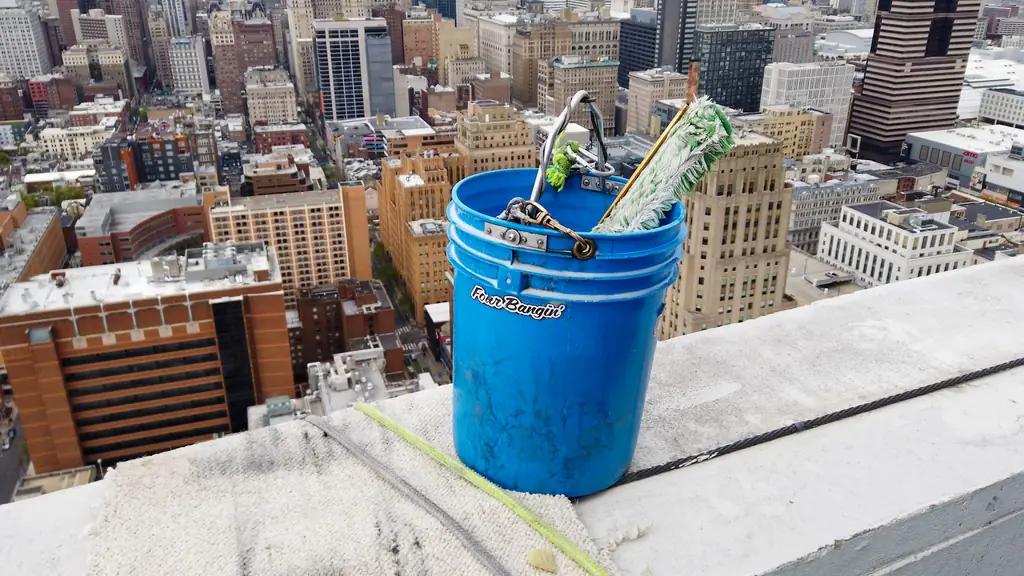
If you manage a commercial building in Philadelphia, somebody has asked you how often the windows should be cleaned, and your answer was probably part guess. That is fair. Nobody hands you a calendar when you take over a property. The good news is that the question has a practical answer once you look at what the glass is doing for the building.
Start with the baseline
Premier Window Cleaning has been working on Philadelphia buildings since 2014, and its standing answer is that most commercial properties do well with two to four cleanings a year. That range covers a lot of ordinary ground: mid-rise offices, medical suites, professional buildings, apartment common areas. Buildings where the glass is part of the first impression usually need more. Think of lobbies, ground-floor retail, restaurants, hospital entrances and anything with a glass storefront that customers walk straight up to.
Two cleanings a year is the floor, not the goal. If you only do one, the glass spends half the year looking tired, and the longer dirt sits, the harder it is to remove. Two gets you a clean building in spring and fall. Four keeps it looking maintained rather than rescued.
What pushes the number up
A few things about your particular building will move you toward the high end of the range or past it.
- Street-level glass. Windows at the bottom of a building collect road spray, fingerprints, pollen and dust far faster than glass fifteen floors up.
- Visibility. If tenants, patients or customers judge the building by what they see through the windows, clean glass is part of the product.
- Nearby construction. Dust from a project next door settles on glass quickly, and some of it, like concrete dust, is worse when it gets wet and dries.
- Trees and landscaping. Sap, leaf debris and sprinkler overspray all leave marks that a regular wash has to deal with.
- Heavy traffic. Buildings along busy roads pick up a film of exhaust and grime that builds steadily.
None of these is exotic. They are just the ordinary reasons one building needs attention more often than the one down the block.
Thinking in Philadelphia seasons
Philadelphia gives you a useful rhythm to build a schedule around. Spring brings pollen and the grime that winter left behind, so a cleaning after the worst of the pollen settles makes the biggest visible difference. Late summer and early fall is a good time to clear off the season's dust and any sprinkler spotting before leaves start to fall and the weather turns. Winter is the hard one for exterior work at height, because cold, ice and wind can limit when crews can safely get to the glass, so many managers plan the year around getting the exterior done before it sets in.
If you are on a four-cleaning schedule, spacing them roughly one per season keeps things even. If you are on two, spring and fall is the natural split. The point is to put the dates on the calendar ahead of time so the cleaning happens on purpose and not only after somebody complains.
Exterior and interior are separate questions
Exterior glass takes the weather. Interior glass takes breath, cleaning-product mist, fingerprints and, in some buildings, kitchen or lab air. They get dirty on different timetables. In many offices the inside needs a pass once or twice a year while the outside goes more often, but a restaurant or a clinic may want the opposite emphasis. When you ask for an estimate, say which sides you want covered so the scope is clear from the start.
Why a maintenance program beats one-off calls
Premier offers maintenance programs with customized schedules, and that is worth asking any contractor about. A program turns window cleaning from a recurring purchasing decision into a standing appointment. Your contractor already knows your building, the access points, which elevations need extra time and which entrances to schedule around. Crews work around occupied spaces, and that goes more smoothly when everyone has done it before at your address.
It also helps with budgeting. Pricing depends on building height, access method, frequency and overall scope, so a fixed schedule makes the annual number predictable. Every estimate is free, and the proposal should spell out exactly what is included so there are no surprises later.
How to pick your number
Walk the outside of your building at street level on a bright morning. Look at the glass from an angle, not straight on, because that is when film and spotting show. Do the same from inside, facing the light. If you can see a haze, streaks or mineral spots, you are overdue, whatever the calendar says.
Then ask yourself who looks through those windows. A parking structure stairwell and a hospital lobby do not need the same attention. Match the frequency to the audience, start with the two-to-four range, and adjust after the first year once you have seen how fast your glass actually gets dirty.
If you would like a second opinion on what your building needs, Premier will look at it and give you a free estimate. You can reach the office at (267) 534-5198, any day of the week between 6 am and 4 pm.
Premier Window Cleaning, LLC, (267) 534-5198
Call (267) 534-5198More articles
Certified Roof Anchors: What Property Managers Should Ask Before High-Rise Window Cleaning
The anchor points on your roof carry the entire weight of the job, so it pays to know who has checked them.
Getting Your Home Ready for a Window Cleaning Visit
A few minutes of preparation means the crew spends its time on your glass instead of your knickknacks.